 Máy pha cà phê
 Thiết bị pha chế
 Thiết bị lạnh Luxcold
 Thiết bị Hoshizaki
 Máy rửa bát công nghiệp
 Tủ giữ nóng thức ăn
 Tếp từ công nghiệp
 Thiết bị sơ chế
 Lò nướng Unox
 Máy làm đá viên
 Thiết bị INOX
 Vòi nước công nghiệp
10 lượt xem
Commercial Microwave Oven: Complete Buying Guide
Commercial Microwave Oven: The Complete Guide for Restaurants, Hotels and Commercial Kitchens
In today’s fast-paced food service industry, efficiency, consistency and reliability are essential for every professional kitchen. A commercial microwave oven is an important piece of equipment that helps restaurants, hotels, cafés and catering businesses heat food quickly and streamline daily kitchen operations.
Compared with standard household models, commercial microwave ovens are designed for professional food service applications, with features that may include higher output power, programmable cooking settings, durable construction and simplified operation.
Whether you are opening a new restaurant, upgrading your kitchen equipment or looking for a reliable food heating solution, understanding the key features of a commercial microwave oven will help you make the right investment.
1. What Is a Commercial Microwave Oven?
A commercial microwave oven is a food heating appliance designed for use in restaurants, hotels, cafés, convenience stores, catering facilities and other professional food service environments.
It uses microwave energy to heat suitable food products efficiently, making it useful for reheating prepared meals, warming ingredients and supporting time-sensitive food preparation tasks.
Depending on the model, a commercial microwave oven may feature:
- Multiple microwave power levels.
- Automatic cooking programs.
- Programmable heating cycles.
- Multi-stage cooking functions.
- Stainless steel exterior and interior surfaces.
- Digital or membrane touch controls.
- Multiple-portion heating settings.
These features can help kitchen staff simplify repetitive tasks and maintain a more organized workflow. Available functions and construction details vary by model, so it is important to review the manufacturer’s specifications before purchasing.
2. Key Benefits of Commercial Microwave Ovens
Fast and Efficient Food Heating
Speed is crucial in busy commercial kitchens. A commercial microwave oven can help reheat suitable foods quickly, reducing waiting times and supporting faster customer service.
It is particularly useful for restaurants and cafés that need to heat prepared dishes, sauces, snacks and individual portions throughout the day.
Designed for Professional Food Service
Commercial microwave ovens are intended for business environments where equipment may be used repeatedly during operating hours.
Depending on the model, they may offer commercial-oriented controls, robust construction and features designed to simplify daily operation.
Choosing equipment that matches the expected workload is essential for long-term performance.
Flexible Heating Control
Different foods require different heating conditions. Many commercial microwave ovens provide Low, Medium and High power settings, allowing operators to select an appropriate heating level for different applications.
Some models also offer percentage-based power settings, such as 20%, 50%, 70% and 100%, or programmable multi-stage cooking.
These settings can help operators adjust heating intensity according to the food type, portion size and desired result.
Improved Kitchen Workflow
A commercial microwave oven can complement conventional ovens, ranges and other cooking equipment.
By handling suitable reheating tasks, it helps free up other kitchen equipment for cooking and preparation. This can be especially beneficial during breakfast service, lunch rushes and other peak operating periods.
Practical Space Utilization
Compact commercial microwave ovens can be a useful option for kitchens with limited counter space.
When selecting a model, consider its external dimensions, ventilation requirements, door clearance and the space needed for safe operation.
3. Common Applications of Commercial Microwave Ovens
Commercial microwave ovens are suitable for a variety of food service businesses.
Restaurants
Restaurants can use commercial microwave ovens to reheat prepared meals, warm sauces and support portion heating during busy service periods.
Hotels
Hotels may use commercial microwave ovens in breakfast preparation areas, staff kitchens, room-service operations and other suitable food service applications.
Cafés and Coffee Shops
Cafés can use commercial microwave ovens to heat sandwiches, pastries, snacks and prepared food items, depending on their menu requirements.
Convenience Stores
Convenience stores can use suitable commercial microwave ovens to heat ready-to-eat meals and snacks for customers.
Catering and Commercial Kitchens
Catering operations and professional kitchens can use commercial microwave ovens to support food preparation workflows and reheat suitable portions efficiently.
The right equipment depends on menu requirements, daily service volume, portion sizes and the frequency of use.
4. How to Choose the Right Commercial Microwave Oven
Choosing the right commercial microwave oven involves more than comparing prices or selecting the highest power rating. Businesses should evaluate several important factors.
4.1. Microwave Output Power
Microwave output power is one of the most important specifications to consider because it affects heating performance.
Commercial microwave ovens are available in different output power ranges to suit different workloads.
Lower-output models may be appropriate for cafés, small food businesses and light-duty applications. Higher-output models may be more suitable for busy restaurants, hotels and commercial kitchens with greater heating demands.
However, the appropriate power level also depends on food type, portion size, heating time and the required service speed.
Important: Microwave output power and electrical input power are not the same.
- Microwave output power: The microwave energy delivered for heating food.
- Electrical input power: The electrical power consumed by the appliance during operation.
Always compare these specifications separately when evaluating commercial microwave ovens.
4.2. Oven Capacity
Capacity determines how much food the oven can accommodate at one time.
A compact 25-litre commercial microwave oven may suit businesses handling individual portions, standard food containers or relatively light workloads.
Larger kitchens or operations handling bigger containers may require a model with greater capacity and suitable internal dimensions.
Before purchasing, check both the stated cavity capacity and the usable interior dimensions to ensure that the oven accommodates your containers and menu items.
4.3. Power Levels and Cooking Programs
A flexible control system helps staff adapt heating conditions to different foods.
Common features include:
- Low, Medium and High power settings.
- Multiple power levels.
- Automatic cooking programs.
- Programmable heating cycles.
- Multi-stage cooking.
- Multiple-portion settings.
For example, a lower power setting may be useful for gentler heating, while a higher setting may be appropriate when faster heating is required.
The actual result depends on the food, portion size, starting temperature and selected cooking time. Operators should follow the manufacturer’s guidance and validate suitable heating procedures for their menu.
4.4. Construction and Materials
Commercial kitchen equipment must be practical to clean and maintain.
Stainless steel surfaces are common in professional food service equipment because they provide a durable, professional finish and can support routine cleaning when maintained correctly.
When comparing models, examine the exterior, cooking cavity, door construction, control panel and manufacturer’s cleaning instructions.
4.5. Control Panel and Ease of Operation
An intuitive control panel can help staff operate equipment efficiently and consistently.
Depending on the model, commercial microwave ovens may use membrane touch controls, digital displays, buttons or programmable interfaces.
For kitchens with multiple employees and frequent staff changes, straightforward controls can help reduce operating errors and simplify training.
4.6. Electrical Specifications
Before ordering a commercial microwave oven, confirm that its electrical requirements are compatible with the installation site.
Important specifications include:
- Rated voltage.
- Frequency.
- Number of electrical phases.
- Electrical input power.
- Required electrical protection and installation conditions.
For example, a model rated at 220–230 V, 50 Hz, single phase may suit a compatible electrical supply. Always verify the product nameplate and installation instructions rather than assuming that all models share the same requirements.
4.7. Warranty and After-Sales Service
Warranty coverage and technical support are important considerations when purchasing commercial kitchen equipment.
Before making a decision, review the warranty period, covered faults, exclusions, service procedures and availability of replacement parts.
A supplier with clear warranty terms and responsive after-sales support can help businesses manage maintenance and minimize unnecessary operational disruption.
5. Commercial Microwave Oven Power: How Much Do You Need?
The appropriate output power depends on the intended application and expected workload.
The following categories provide a general starting point for comparing commercial microwave ovens. They are not universal industry classifications, and actual suitability varies by manufacturer and application.
| Application category | Example output power | Typical applications |
|---|---|---|
| Light-duty | Below 1,200 W | Small cafés, convenience stores and light reheating tasks |
| Medium-duty | 1,200–2,000 W | Restaurants, food outlets and regular commercial use |
| Heavy-duty | 2,000–3,000 W or above | High-volume kitchens and demanding food service operations |
These ranges should be used as a general buying guide rather than a guarantee of performance or durability.
A 1,000 W commercial microwave oven, for example, may be suitable for selected applications involving individual portions and moderate heating requirements. Businesses serving large volumes of customers should evaluate whether a higher-output model or additional equipment would better meet their needs.
In addition to output power, consider capacity, cooking programs, duty cycle, operating frequency and the manufacturer’s recommendations for commercial use.
6. Commercial Microwave Oven vs. Household Microwave Oven
Although both appliance types use microwave energy, their intended applications and features can differ.
| Feature | Commercial Microwave Oven | Household Microwave Oven |
|---|---|---|
| Primary application | Restaurants and food service businesses | Domestic kitchens |
| Expected workload | Selected for the business’s operating demands | Selected for household needs |
| Controls | May include programmable commercial functions | Usually designed for everyday home use |
| Construction | May feature commercial-oriented materials and design | Varies by consumer model |
| Capacity and output | Available in configurations suited to commercial tasks | Available in various consumer configurations |
| Purchasing priorities | Workload, output, capacity, maintenance and warranty | Convenience, household capacity and price |
Not every commercial microwave oven is more powerful than every household model. Actual differences depend on the specifications and design of the individual products.
For professional use, businesses should prioritize suitability for the intended workload, manufacturer guidance and available service support.
7. Why Consider Lamaca Commercial Microwave Ovens?
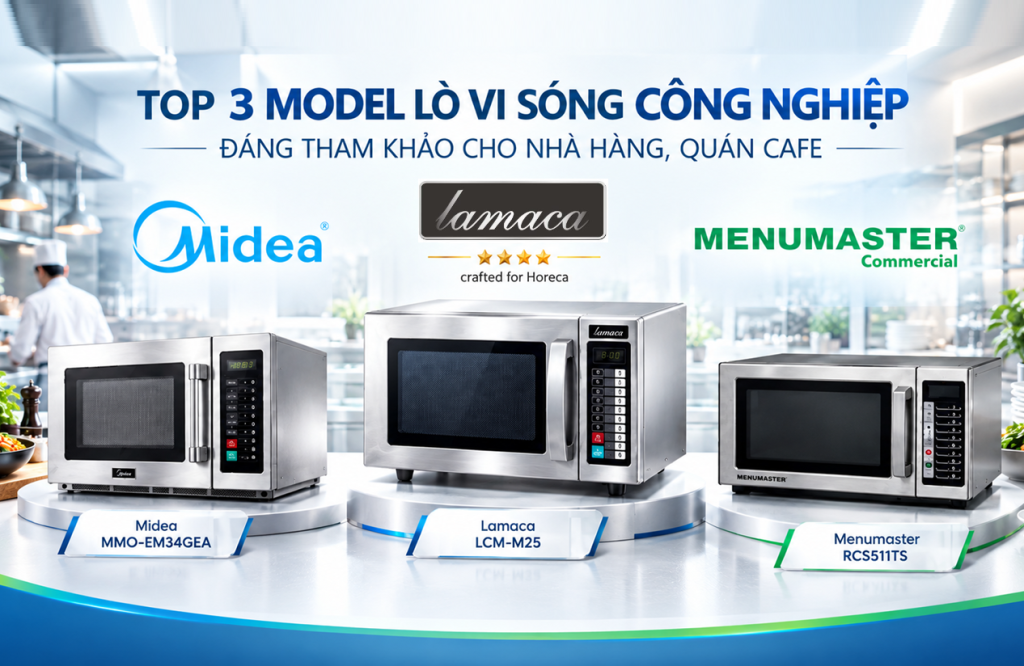
For restaurants, hotels, cafés and other food service businesses, Lamaca commercial microwave ovens are worth considering when evaluating professional food heating equipment.
When selecting a Lamaca model, buyers should compare the available specifications with their actual kitchen requirements, including output power, capacity, control functions, construction materials and electrical compatibility.
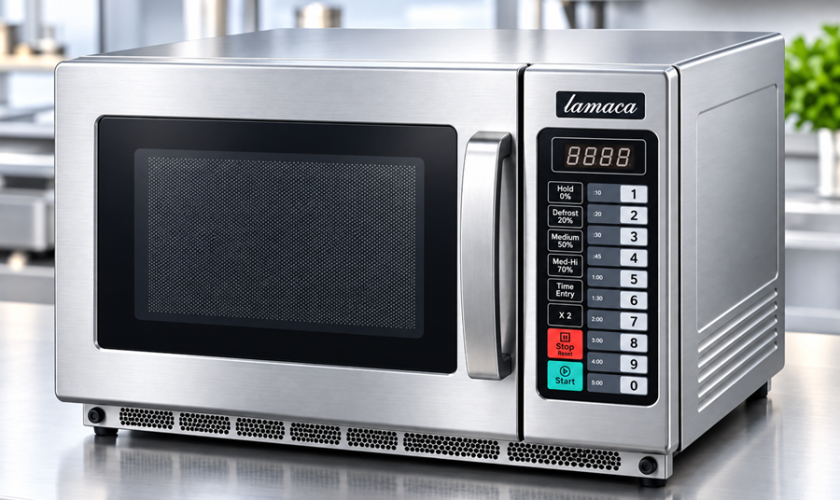
Lamaca LCM-M25 Commercial Microwave Oven
The Lamaca LCM-M25 is a 25-litre commercial microwave oven with 1,000 W microwave output power, based on the product specifications provided for this model.
Its key specifications include:
- Model: LCM-M25
- Oven capacity: 25 litres
- Microwave output power: 1,000 W
- Electrical input power: 1,550 W
- Rated voltage: 220–230 V
- Frequency: 50 Hz
- Power supply: Single phase
- Cooking programs: 100 automatic programs
- Power settings: 5 levels
- Cooking functions: 3-stage cooking
- Control system: Membrane touch control
- Exterior: Stainless steel with a black glass front
- Interior: Stainless steel
- Turntable: No turntable
These features may make the model worth evaluating for businesses that require a compact commercial microwave oven with programmable heating functions.
Suitability depends on the actual workload, food types, container dimensions and operating requirements. Buyers should confirm the current product documentation and applicable warranty terms before placing an order.
8. Tips for Safe and Efficient Operation
Proper operation helps support reliable performance and food safety.
Follow these recommendations when using a commercial microwave oven:
- Use suitable containers. Only use containers approved for microwave cooking and for the intended application.
- Follow operating instructions. Observe the manufacturer’s requirements for loading, cooking programs and power settings.
- Avoid operating the oven empty unless the manufacturer explicitly permits it.
- Keep the oven clean. Clean the cavity, door and other accessible surfaces according to the manufacturer’s instructions.
- Check the door and seals. Stop using the appliance if the door, seals or safety-critical components are damaged.
- Allow adequate ventilation. Maintain the clearances specified by the manufacturer.
- Verify food temperatures. Check that reheated food reaches an appropriate temperature throughout, using a suitable food thermometer and your food safety procedures.
- Arrange maintenance when required. Follow the recommended inspection and servicing schedule.
Staff training and consistent operating procedures are particularly important in busy commercial kitchens.
9. Frequently Asked Questions
What is the best commercial microwave oven for restaurants?
The best commercial microwave oven depends on the restaurant’s menu, service volume, portion sizes and available kitchen space. Compare microwave output power, capacity, control functions, electrical requirements and after-sales support before choosing a model.
Is a 1,000 W commercial microwave oven suitable for a café?
A 1,000 W model may be suitable for selected café applications, including heating individual portions and prepared snacks. Suitability depends on the expected workload, food type and required service speed.
What is the difference between microwave input power and output power?
Input power refers to the electricity consumed by the appliance, while output power refers to the microwave energy delivered for heating. Both values are important when assessing performance and electrical requirements.
Are commercial microwave ovens suitable for hotels?
Yes. Commercial microwave ovens can support suitable food heating and reheating tasks in hotel kitchens, breakfast service areas and other food service operations. The selected model should match the workload and the hotel’s operating requirements.
What capacity should I choose for a commercial microwave oven?
Capacity depends on the size of your food portions, containers and expected workload. A 25-litre model may be suitable for selected individual-portion applications, while larger operations may require a larger cavity or additional equipment.
How important is the warranty when buying a commercial microwave oven?
Warranty coverage is an important purchasing consideration because it defines the supplier’s responsibilities for eligible faults during the warranty period. Buyers should check the warranty duration, exclusions, service arrangements and availability of replacement parts.
Conclusion: Choose the Right Commercial Microwave Oven for Your Business
A commercial microwave oven can help restaurants, hotels, cafés and professional kitchens improve food reheating efficiency and streamline daily operations.
To make the right choice, evaluate microwave output power, oven capacity, programmable functions, construction, electrical specifications and warranty support. The most suitable model is the one that matches your actual workload and operational requirements.
If you are looking for commercial microwave ovens for your food service business, explore Lamaca commercial kitchen equipment through Horeca Thang Long.
Horeca Thang Long
Commercial Kitchen Equipment Supplier
Website: https://horecathanglong.com/
Contact the team to learn more about Lamaca commercial microwave ovens and identify a suitable solution for your business.
Products list
Máy xay sinh tố giảm ồn LA-68
Giá liên hệ
Quầy pha chế cà phê 12 tính năng
Giá liên hệ
Quầy trà sữa Giá GỐC từ nhà SX
Giá liên hệ
Quầy bar chuyên nghiệp
Giá liên hệ
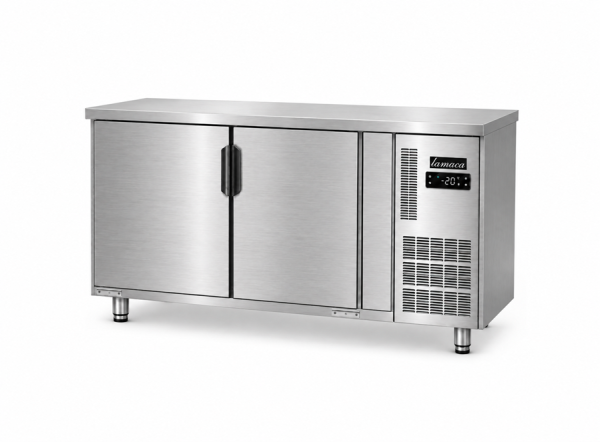
Bàn lạnh công nghiệp LAC-12-CS
Giá liên hệ
Bàn lạnh công nghiệp LAC-15-CS
Giá liên hệ
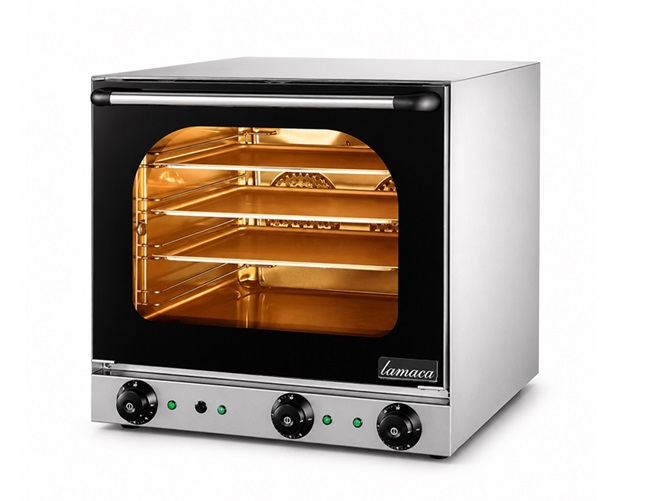
Lò nướng đối lưu Lamaca
Giá liên hệ
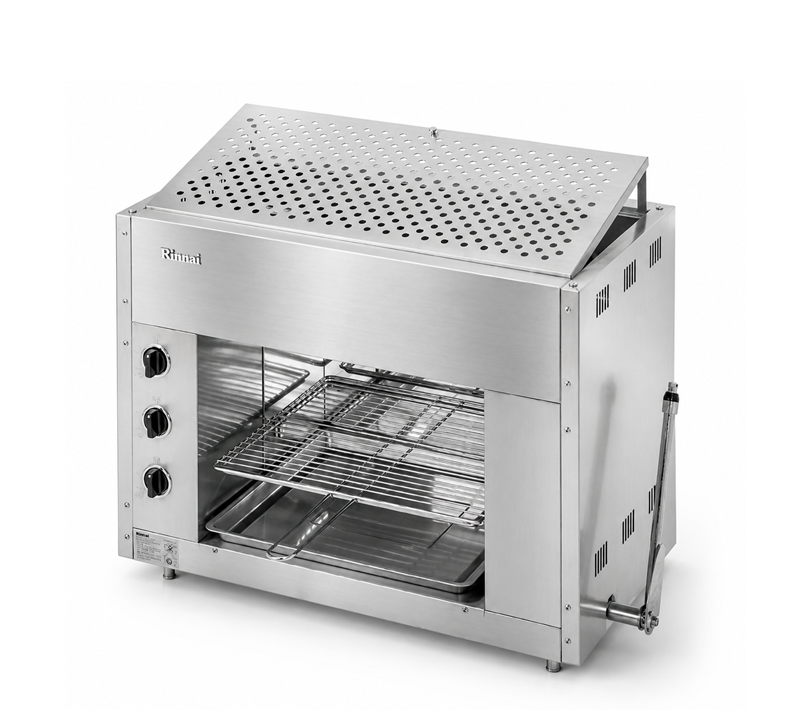
Lò nướng Salamander Rinnai RSG-35N
Giá liên hệ
Bài viết
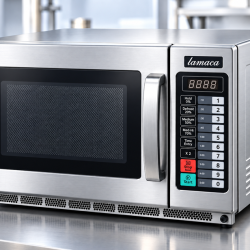
Commercial Microwave Oven: Complete Buying Guide
18 Tháng 10, 2026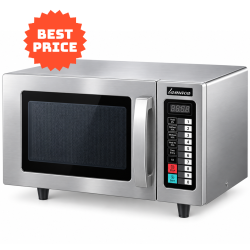
Lò vi sóng công nghiệp Lamaca LCM-M25 25L – 1550W
8 Tháng 10, 2026
Lò vi sóng công nghiệp 25L hay 34L chọn loại nào?
6 Tháng 10, 2026